Which clothes can be brought up for an estimate?
Pants, jeans, dresses, suits, shirts, jackets, coats and formalwear can all be described. The garment and the requested change are reviewed together.
Services
Hemming, fit adjustments, zipper repair and mending for clothes you already own in Dallas, TX.
Call +1 (214) 381-3265 or email [email protected]
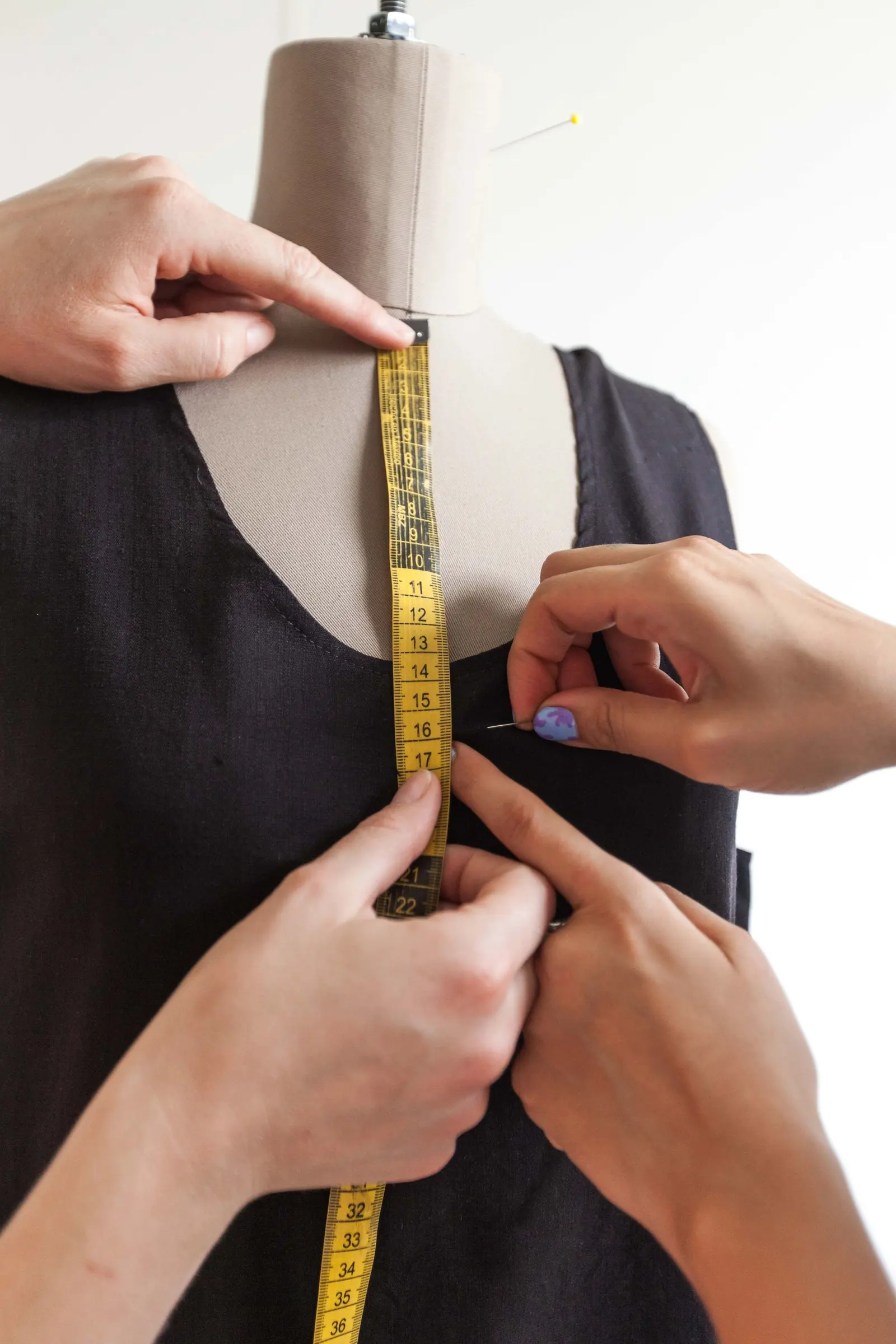
Ecomeva reviews clothing alterations for customers in Dallas, Texas. The work can include hemming, reshaping a fit, replacing or repairing a zipper, and mending a seam that has given way. Not every idea is possible on every fabric, so the garment itself is part of the answer.
You can ask about pieces you already own: pants, jeans, dresses, suits, shirts, jackets, coats and formalwear. Tell us what you want changed. We will say what can be considered and what the work depends on before sewing starts.
A useful request names the item and the problem. Length is the most common change. Waist, hip, bust, shoulder and sleeve fit come next. Repairs sit alongside alterations when a zipper, seam or closure is already failing.
Heavily beaded areas, bonded fabrics, leather, and pieces with no seam allowance are not automatic yeses. If the construction will not support the change, that is part of the assessment.
People often look for an alterations price list before they know which garment they are bringing. Ecomeva does not publish flat prices, because two hems, two dresses or two zippers can be very different jobs.
The estimate depends on the type of garment, the fabric, whether there is a lining, how much the fit or length needs to change, and whether a repair is included. A plain pant hem is not the same task as shortening a lined gown or resetting a jacket sleeve. Zipper repair cost, in particular, depends on whether the slider can be corrected or the zipper has to be replaced, and on how the zipper is set into the garment.
You will hear the scope and the cost before work begins. Sending the form does not create a quote by itself. The more specific you are about the garment and the change, the more useful the first reply can be. Suit alterations, dress alterations and wedding dress work are discussed on their own pages because the construction is different, even when the goal is simply a better fit.
Clothing alterations cover the general fit and length work that does not belong to only one garment. A jacket that pulls, a dress that gaps, or pants that break too far over the shoe can all start here. If the job is really a hem, a zipper, or a repair, the more specific service is the better place to read first.
Pants hemming, dress alterations and suit alterations are the requests we see described most clearly. Request an alteration when you are ready to describe yours.
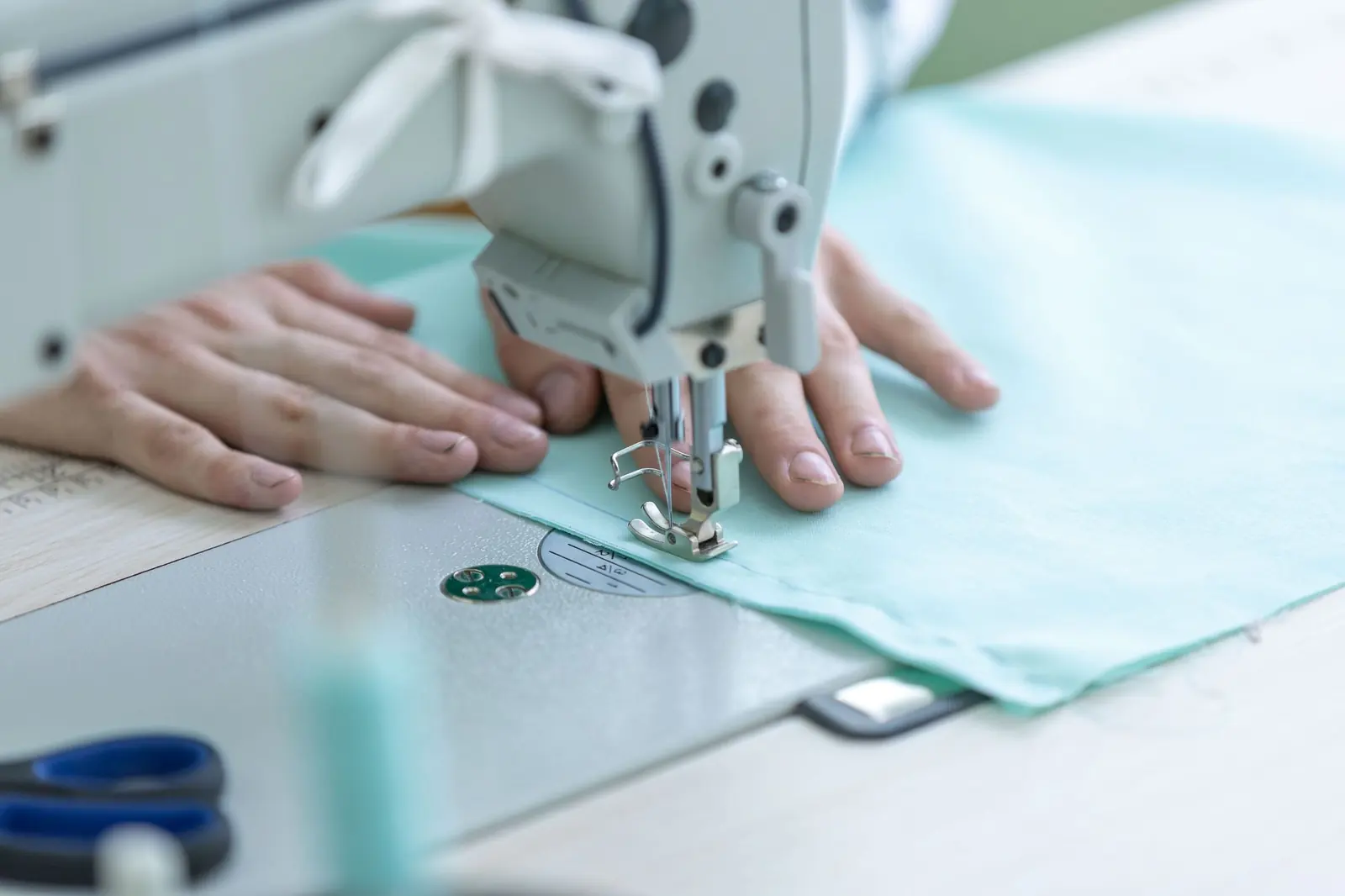
Hemming shortens dress pants, trousers and other full-length pants. The finish can be a standard turn-up, a narrower hem, or an original hem when the fabric and the existing stitch allow it. Cuffs are a separate decision because they change both the length and the look.
Read the pants hemming page for what to measure and what to mention. Jeans are covered separately, because denim hems behave differently.
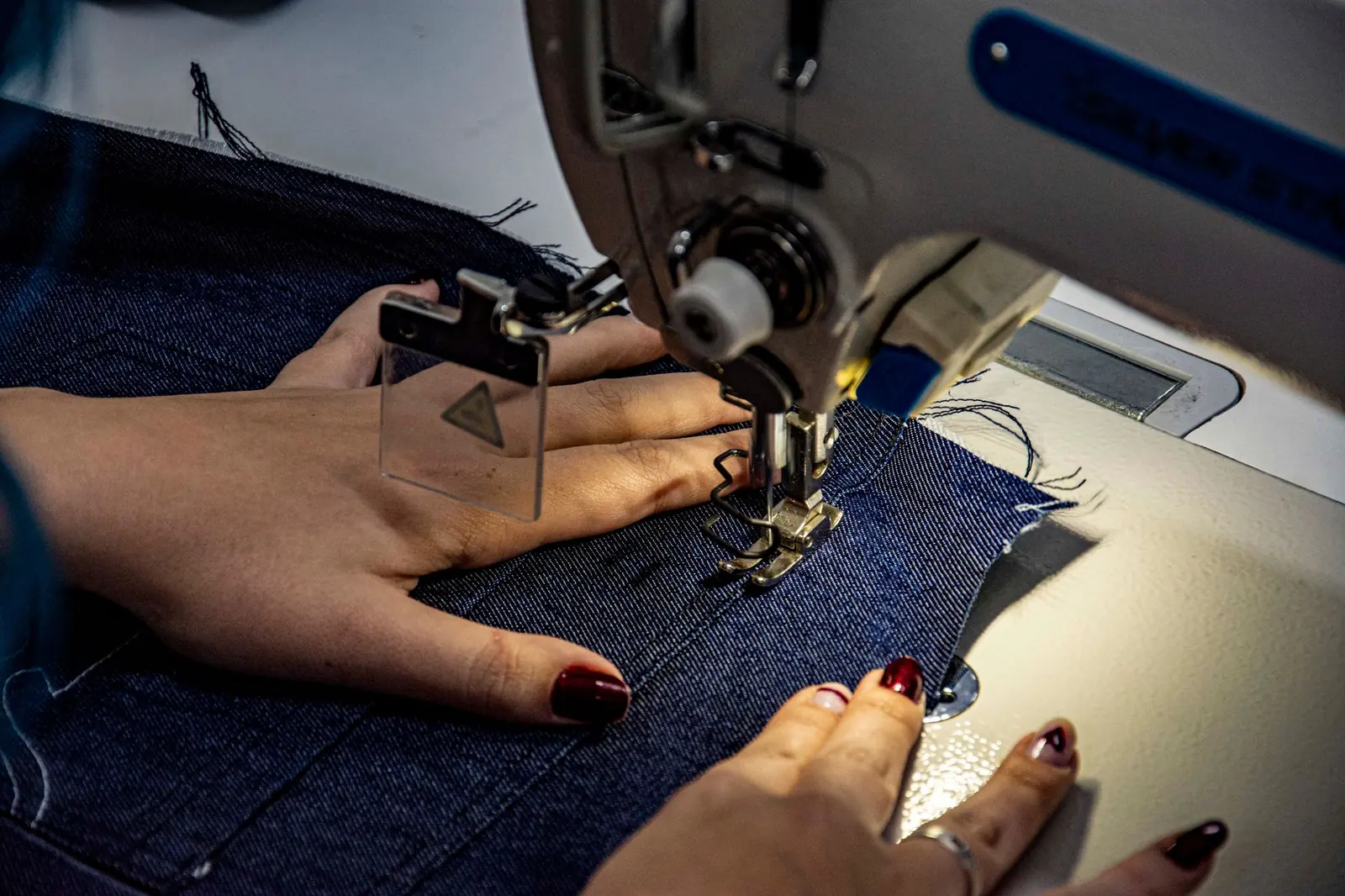
Jeans alterations include shortening, selected waist or hip fit, and repairs such as a worn seam or a zipper that has failed. The weight of the denim and the original hem both affect how the job should be done.
Details are on the jeans alterations page.
Dress alterations deal with length, waist, bust, straps and side seams. A lined dress, a dress with a slit, or a dress that also has a faulty zipper needs those details in the request. Everyday dresses are discussed on the dress alterations page. Formal and bridal pieces have their own pages because the fabrics and the stakes are different.
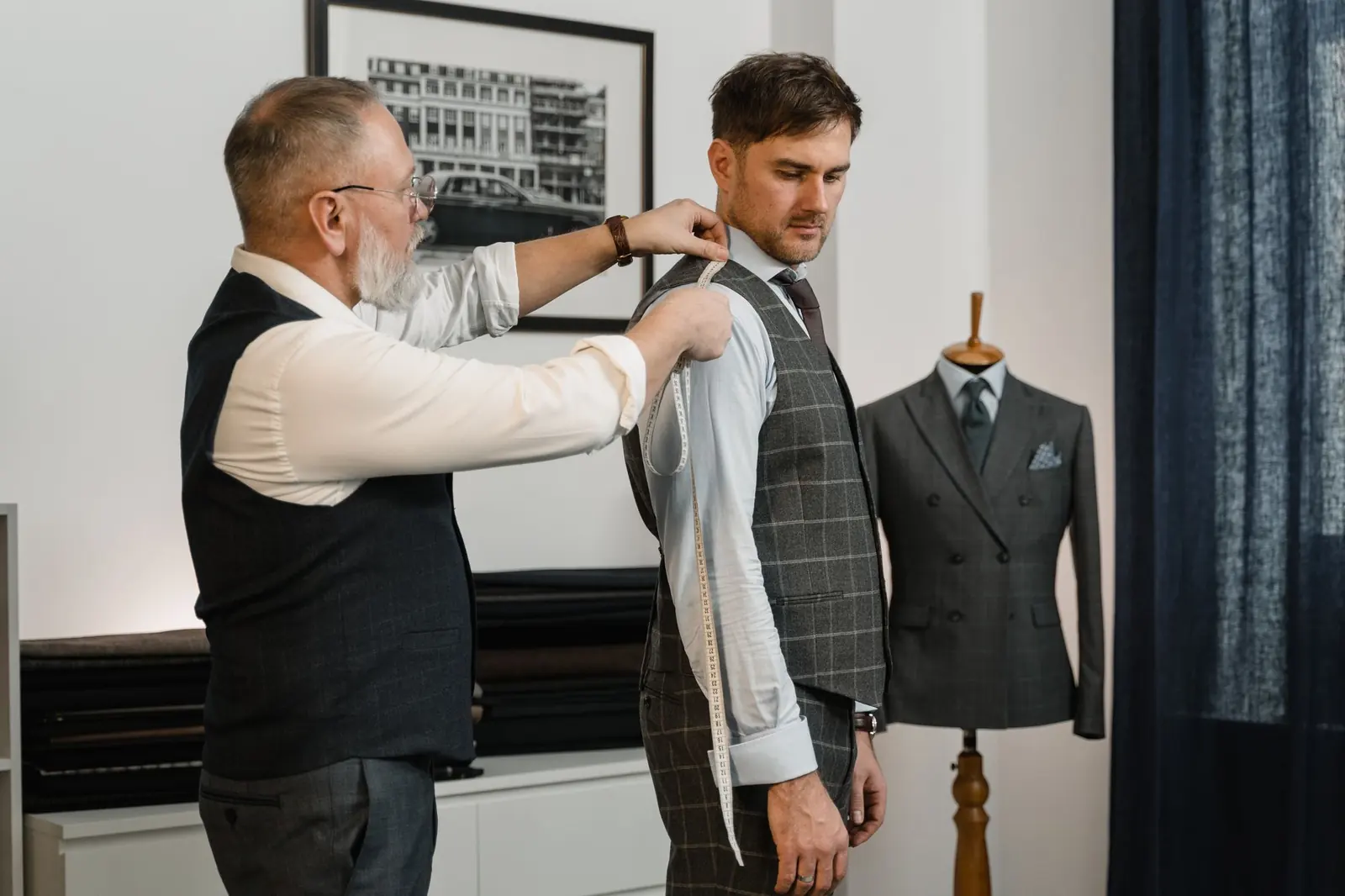
Suit work usually combines the jacket and the trousers. Sleeves, jacket waist, and pant length are the core changes. A vest or a tuxedo can be described in the same request if that is the garment you have.
See suit alterations and the jacket and coat notes below.
Wedding dress alterations need a clear scope: hem, bust, straps, hips, bustle, or a closure that does not sit correctly. Lace, beading, tulle and multiple layers change both the handling and the time involved. The wedding dress page explains what to include when you write, including the date of the event so the timing can be discussed honestly.
Prom dresses, evening gowns and bridesmaid dresses often need a hem and a fit adjustment in the same visit to the work. Straps, bodices and skirts are assessed together so one change does not pull another out of line.
More detail is on the formal dress alterations page.

A zipper repair request should say where the zipper sits, whether it sticks, separates, or has lost the pull, and what the garment is. Jackets, coats, jeans and dresses are the usual pieces. Repair and replacement are different jobs. The zipper repair page explains how that choice is made.
Clothing repair covers split seams, small tears, loose buttons and closures that are no longer doing their job. The question is whether the surrounding fabric is sound enough to hold a mend. Read clothing repair and mending before you assume a hole can be made invisible.
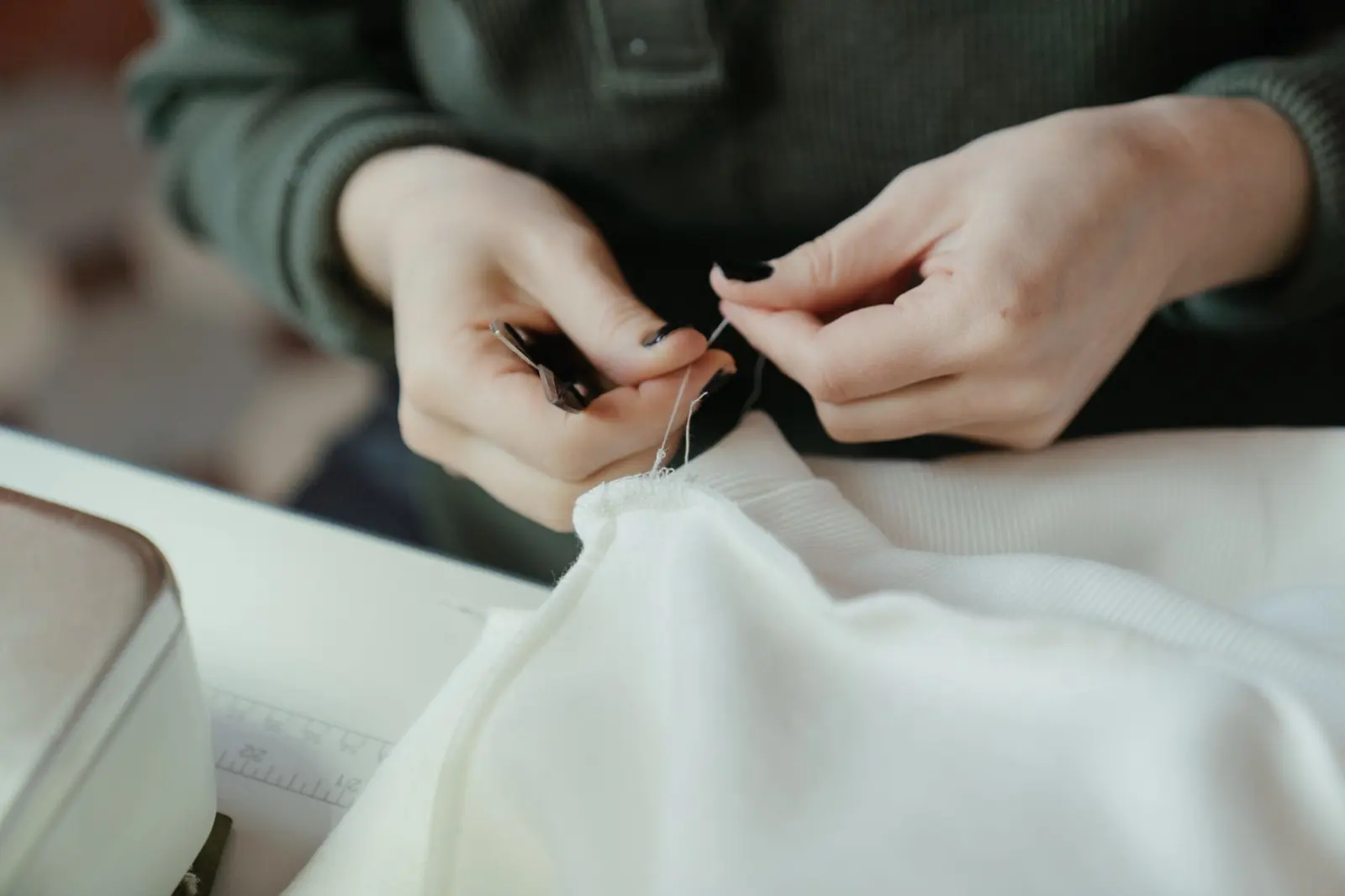
Shirt alterations are for dress shirts, casual button-ups and blouses that need a practical fit change rather than a new garment. Typical requests are side seams that are too full, sleeves that are too long, a dart that would improve the waist, or a button placket that no longer meets.
Tell us the fabric, whether the shirt is worn tucked or untucked, and what feels wrong when you move. A crisp woven shirt usually offers clearer seam allowance than a fine knit. Printed stripes and checks need extra care so the pattern still meets. A t-shirt can sometimes be taken in, but a very stretchy or thin knit may not look right afterward. That limit is discussed before any seam is opened.
Shirt work can overlap with clothing repair when the real issue is a torn placket, a missing button or a collar seam that has come undone. If you also need trousers or a jacket altered for the same outfit, mention both in the shirt alteration request.
Jacket and coat alterations cover blazers, sport coats, suit jackets and outerwear. The usual goals are sleeve length, a jacket that is too wide or too tight through the body, a vent that pulls, or a button stance that does not sit cleanly. Coat requests add warmth layers: quilting, heavy wool, a zipper, and a lining that has to be opened and closed again.
A suit jacket is often altered with the matching trousers. Use the suit alterations page when the pieces belong together. A separate coat, raincoat or winter jacket can be described here. If the main problem is the zipper rather than the fit, start with zipper repair and say whether the coat is lined.
Sleeves that include working buttonholes, shoulder pads or a pick stitch take more handling than a plain sleeve hem. Leather and heavily insulated coats are assessed individually. Describe the jacket, the change, and any repair in the same message so the scope stays clear. You can request a jacket or coat alteration when you have those details.
Send the description through the contact form or by phone. We look at what you asked for and reply about whether it can be assessed. Details such as fabric, lining, photos you describe in words, and the result you want are settled before work starts. If a fitting is needed, that is arranged as part of the job, not by the form itself.
The website does not take payment and it does not confirm a time slot. Anything about schedule or price is confirmed in the conversation that follows the request.
Pants, jeans, dresses, suits, shirts, jackets, coats and formalwear can all be described. The garment and the requested change are reviewed together.
No. Pricing depends on fabric, construction, the size of the change and any repair. The cost is discussed before work begins.
Name the garment, the fit or repair problem, the fabric if you know it, and whether a date matters. A clear description makes the first reply more useful.
Yes. A lining, a hidden seam or a weak area of fabric can change what is sensible. Any change to the agreed work is discussed before it is done.
No. It is a request to discuss the alteration. It is not an appointment, a quote or a payment.
Choose the closest service in the form and describe the change. We will use that to talk through the alteration.
Or call +1 (214) 381-3265