Can every tear be repaired invisibly?
No. A seam that opened on the stitch line can often be closed neatly. A hole in thin or worn fabric may need a visible patch, or it may not be worth mending. That is decided from the garment.
Dallas, Texas
Open seams, small tears and loose closures, assessed first so you know whether a mend will hold.
Call +1 (214) 381-3265 or email [email protected]
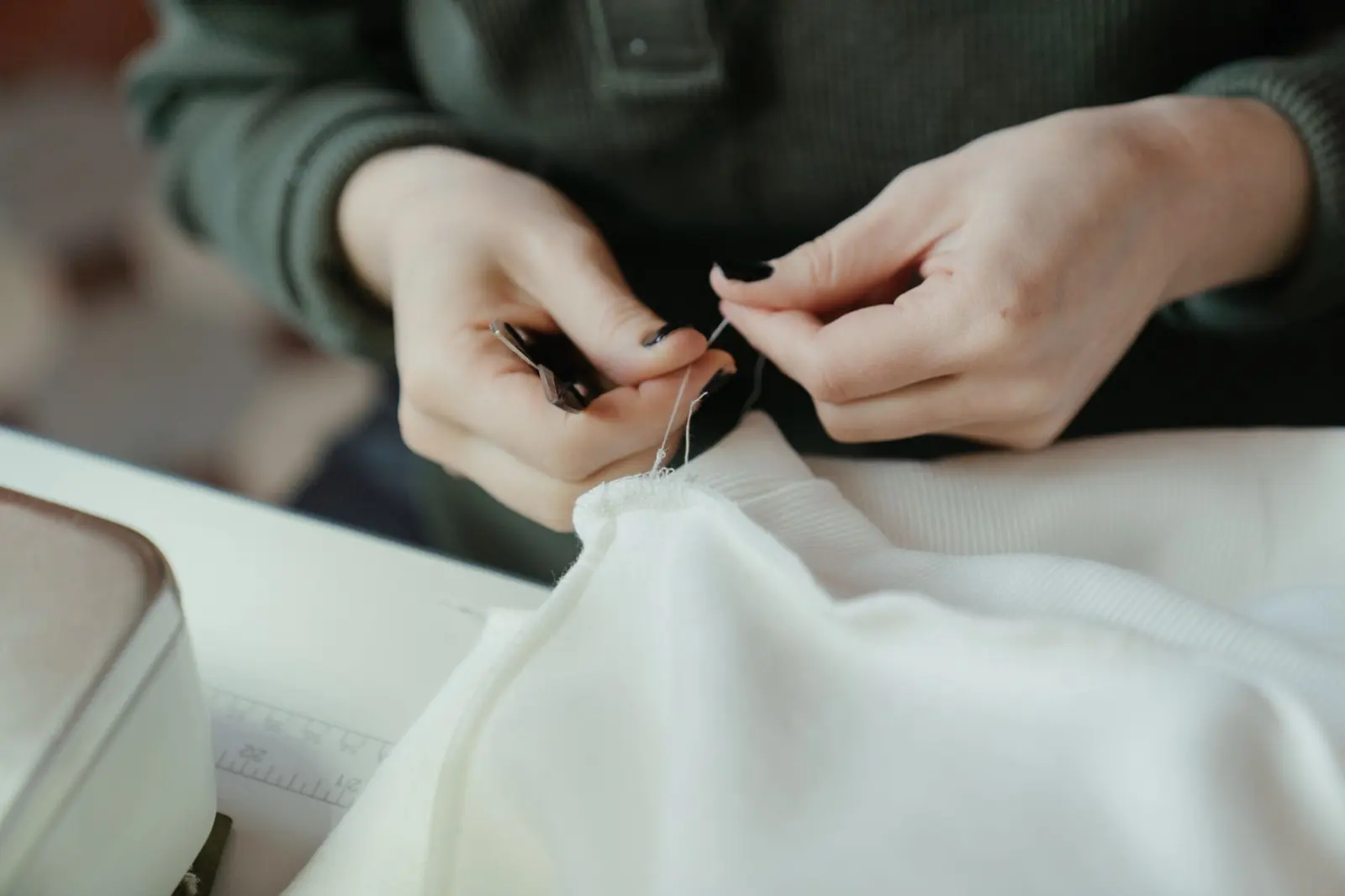
Clothing repair is for a garment you want to keep, where something specific has failed. A side seam opens. A pocket corner tears. A button placket comes loose. A small hole sits next to fabric that is still sound. The question is not whether every damaged piece can be restored. The question is whether this damage, on this cloth, can be mended so the garment is wearable again.
Alterations and repairs often meet. A pair of pants may need a hem and a split seam. A dress may need the waist taken in and a zipper that has started to separate. Describe both. If the zipper is the whole story, the zipper repair page is the better brief.
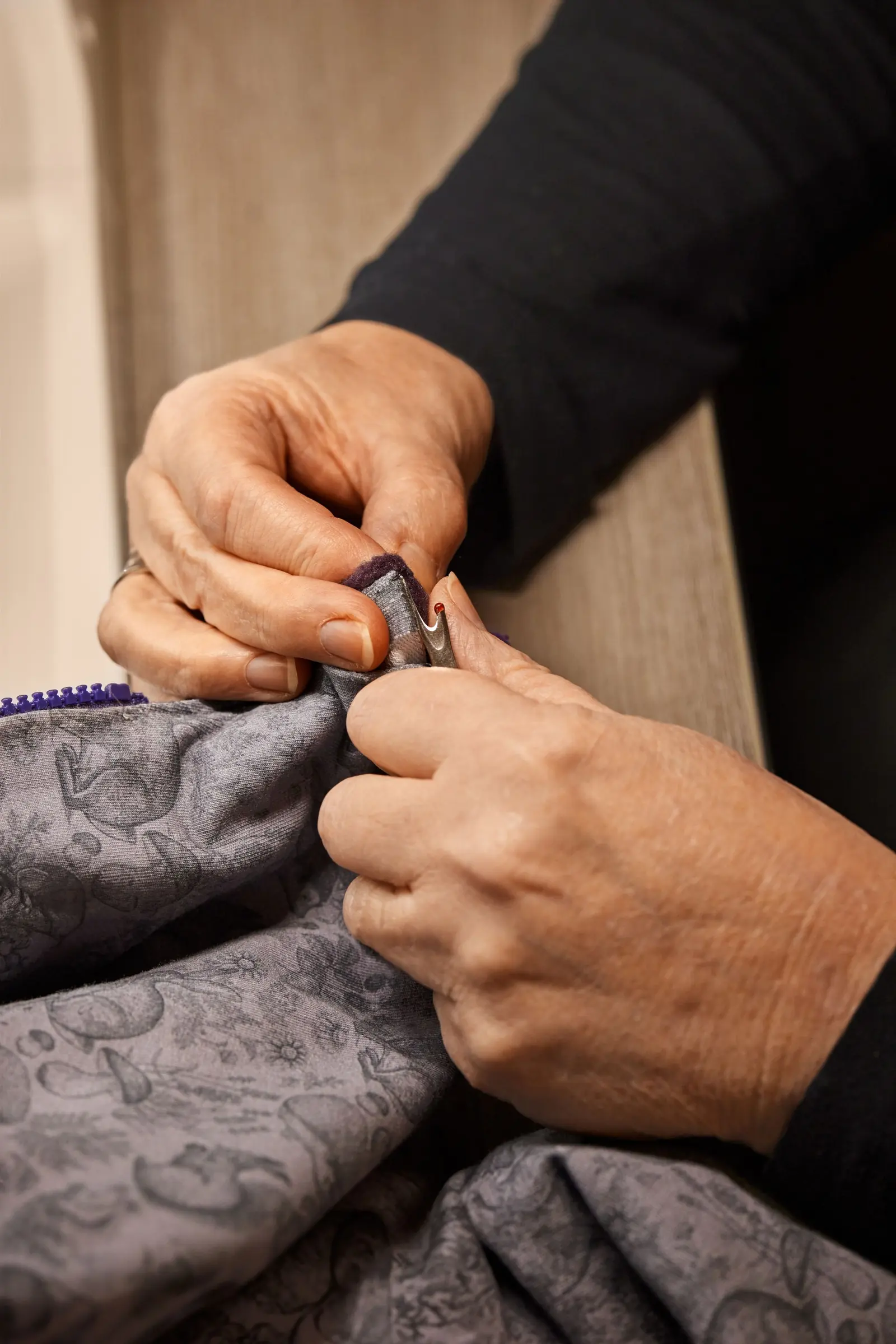
Open seams, loose hems, missing buttons, hooks that have pulled out, and small tears with solid fabric around them are the usual requests. A lining that has separated from a coat hem can be discussed with jacket and coat alterations. A shirt placket or a collar seam that has come undone fits both this page and shirt alterations.
Large holes in thin or sun-rotted fabric, damage across a printed logo you need preserved exactly, and leather or bonded materials are not assumed to be repairable. If a mend would show more than the damage, or would not hold, that is the answer you should get before anyone starts stitching.
The form does not accept file uploads. Describe the damage in words. If a photo is useful later, it can be sent by email after you have a reference number.
Request an alteration and choose clothing repair, even if you are not sure the piece can be saved. The review looks at the edges of the damage, the seam allowance, and whether a patch, a re-stitched seam, or a replaced closure is the honest option.
A seam that opened along an existing stitch line is often restitchable. A hole that has no sound edge may need a patch, and a patch is visible. You will hear which of those applies before the work is agreed. A repair can still be visible. The practical standard is a neat, durable mend when the fabric supports it.
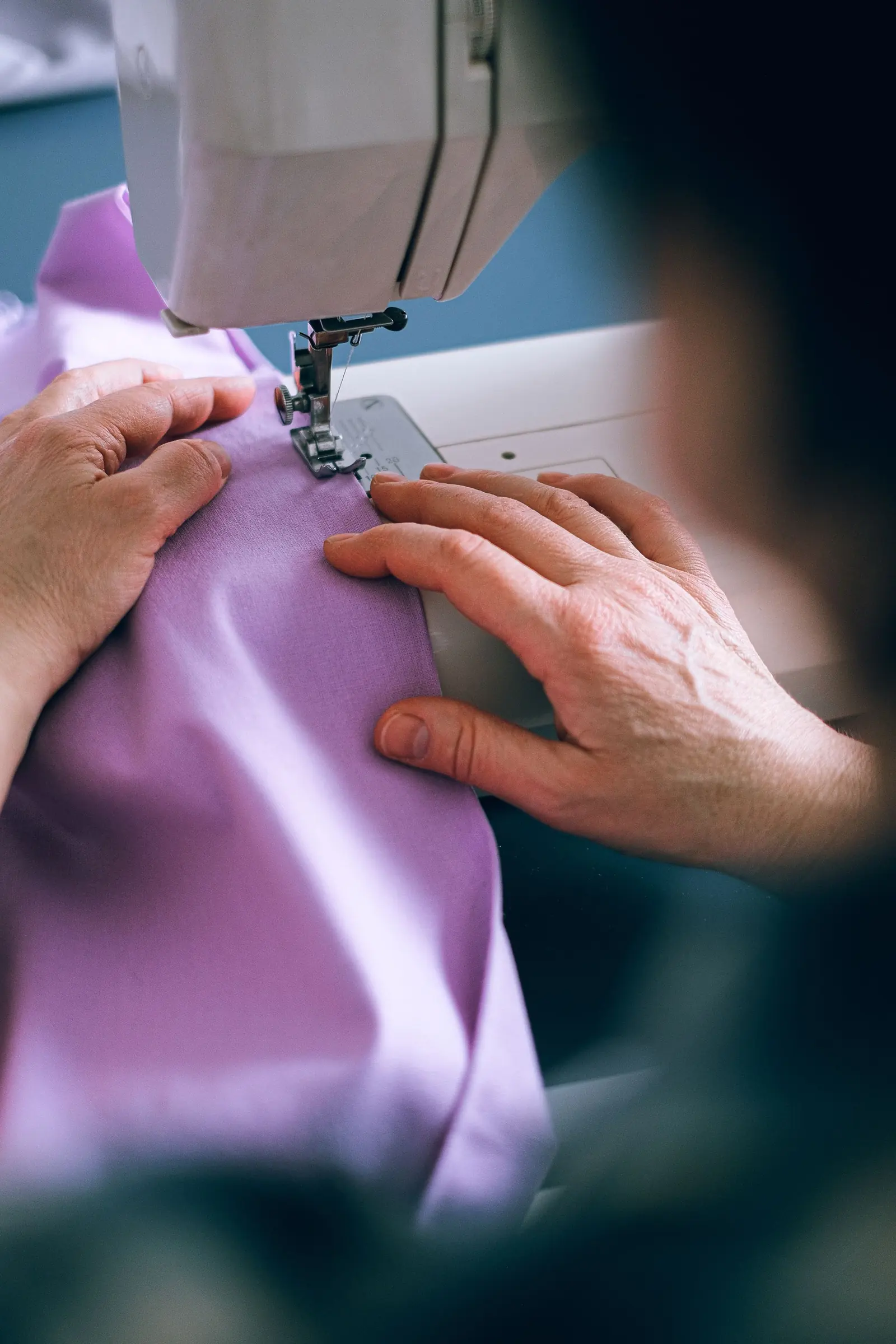
Restitching an open seam is usually simpler than reconstructing a pocket or setting a patch so it follows a pattern. Thick wool, a lined jacket, and a tear that crosses a seam all add handling. Matching thread is part of the job. Replacing a closure is priced with the repair if both are needed, not invented after the fact.
No repair menu is published, because the tear decides the time. The amount is discussed first. More on that approach is in alterations pricing. If the garment also needs to be taken in or shortened, link the request to the relevant page, such as pants hemming or dress alterations, so both tasks are in view.
No. A seam that opened on the stitch line can often be closed neatly. A hole in thin or worn fabric may need a visible patch, or it may not be worth mending. That is decided from the garment.
Yes. Describe both in the same request so the scope and the cost cover the whole job.
They can be included when the fabric still holds a stitch. Say what is missing and whether the area around it has torn.
You will hear that before work starts. The request itself does not obligate either side to proceed.
Describe the garment and the result you want. The form saves the request so the work can be discussed.
Or call +1 (214) 381-3265